

Introduction
Starting with late January 2026, our team identified three disinformation campaigns targeting the upcoming parliamentary election in Hungary, which in our belief were conducted by the Storm-1516 operators. Storm-1516 is a codename designated by Microsoft to the persistent actor, which has emerged in late 2023 and specialises in disinformation campaigns aligned with the interests of the Russian regime. According to the publication by the Washington Post and a sanction designation by U.S. Department of Treasury, the operation is conducted by the Center of Geopolitical Expertise (CGE), a “think tank” which was founded by Alexandr Dugin and is headed by his long term associate Valery Korovin. According to the same sources, CGE receives funding and directions from GRU unit 29155 that oversees sabotage, political interference operations, and cyberwarfare.
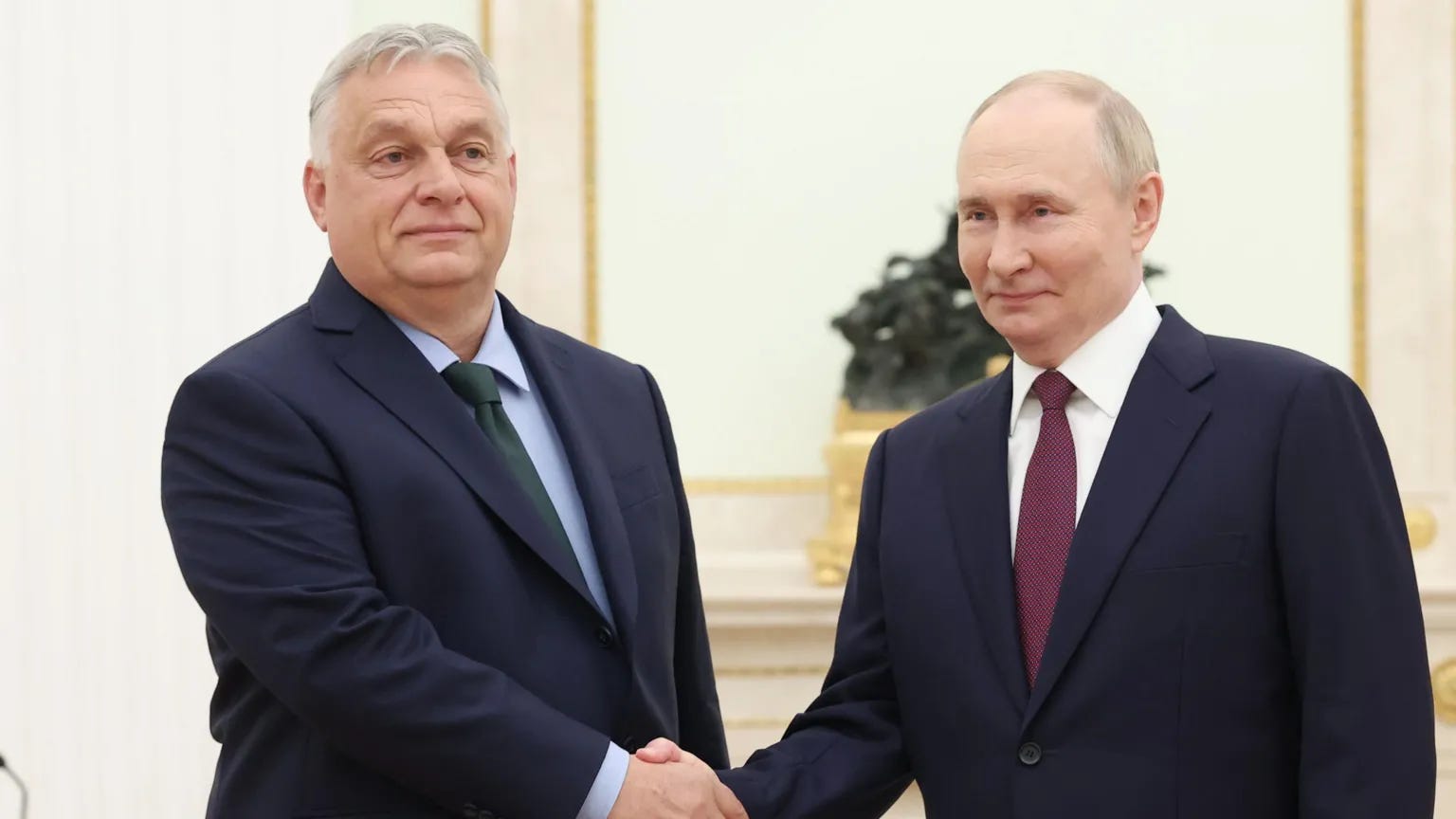
The election is set to be held on April 12, 2026. One major contender in the election is Fidesz party headed by Viktor Orban, and is a part of the current ruling party alliance together with a right wing party KDNP. Orban has remained in the Prime Minister’s seat since his party won an election in 2010 and subsequently winning the elections in 2014, and together with KDNP in 2018 and 2022. Under the Orban leadership Hungary has been gradually shifting towards autocracy, in 2022 the European Parliament adopted a report with overwhelming majority of the votes, which classified Hungary as “electoral autocracy”. Hungary, also a NATO member state, is widely considered to be the biggest Vladimir Putin’s ally in the European Union, and is often involved in the attempts to slow down and soften EU sanctions against Russia following 2022 invasion of Ukraine. Following the election of Donald Trump in the United States, Orban also found support in Washington and on February 16, 2026 Secretary of State Marco Rubio officially endorsed Orban and described the current state of the relationship between the U.S. and Hungary as “golden age”.
For an election campaign in 2026, Orban chose to pursue practically a hate campaign against Ukraine, which includes opposition to the Ukrainian membership in the EU and fear-mongering among his electorate about potential Hungarian involvement in the war in Ukraine. One of the recent developments is a lawsuit filed by Hungary with the European Court to appeal the ban of Russian gas imports starting in 2027. As another recent development, Orban is threatening to block €90 billion loan from EU to Ukraine and to block new sanction packages against Russia and even potentially to stop electricity export to Ukraine if Ukraine doesn’t resume Russian oil supply through the “Druzhba” pipeline, which was shut down after being damaged during a Russian attack in January.
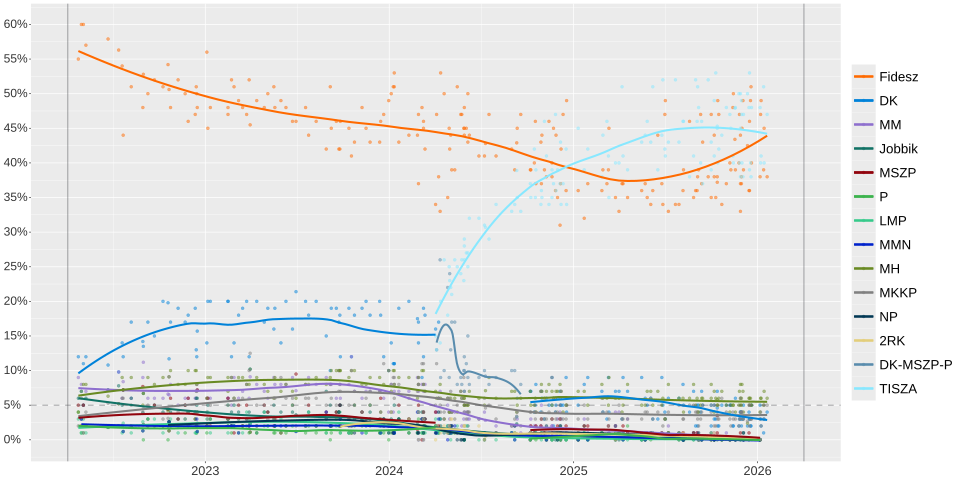
The biggest opposition to the Orban’s party in the elections is Tisza party, headed by Peter Magyar. In contrast to Fidesz, Tisza party chose to focus on the real economic issues, on fight against corruption and on strengthening of the democratic institutions. According to the opinion polls, at the beginning of 2026, Tisza and Fidesz are close to parity in the polls.
Only a few weeks ago Magyar accused Fidesz party of a “Russian-style” smear campaign against him, involving a secretly recorded sex tape. The website radnaimark[.]hu, which is a part of the campaign, is named after a Tisza’s party vice president Mark Radnai. At the time of writing, there is no definitive attribution available for this campaign.
Storm-1516 campaigns
(FAKE) Peter Magyar involved in a scheme to funnel €16.7 million from financial aid received by Ukraine from EU


The campaign was launched on January 29 and includes a vertical video with an “investigation” by a non-existing organisation “European Center for Investigative Journalism“ (ECIJ). Campaign also points to a publication on a recently created website for ECIJ - ecij[.]org, according to the WHOIS records, the domain was registered on January 20, 2026.
Campaign promotes a false narrative that Magyar was involved in a scheme to funnel money from EU aid funds transferred to Ukraine. Additionally, it attempts to promote a false narrative that Magyar’s trip to Kyiv following the attack on a children hospital Okhmatdyt was just a disguise to ship the funnelled money from Ukraine.
The Russian strike on Okhmadyt hospital in Kyiv occurred on July 8, 2024 - less than a week after Viktor Orban’s meeting with Putin in Moscow. The visit to Moscow was later condemned by the European Parliament and was a part of Orban’s “peace mission” and included a visit to Kyiv before that.
(FAKE) Peter Magyar involved in another scheme to funnel €40 million from financial aid received by Ukraine from EU


The campaign was launched on February 4 and includes a vertical video with an “investigation” by “Times of Ukraine”. There are existing real Telegram and YouTube news channels using this name; however, the branding differs greatly. The campaign also links to a publication on the website timesofukraine[.]net, according to the WHOIS records, it was registered on February 1, 2026.
The campaign promotes a false narrative alleging a probe by Ukrainian Specialized Anti-Corruption Prosecutor’s Office (SAPO) into a corruption scheme to funnel more than €40 million from the financial aid funds received by Ukraine from EU, with Magyar being allegedly involved in the scheme.
(FAKE) Gabor Ivanyi accused of pedophilia by former students


The campaign was launched on February 21 and includes a vertical video with a “reportage” by a non-existing media resource “Oknyomozo Riport“ (translates from Hungarian as “Investigative Report”). The campaign also links to a publication on a recently registered website oknyomozoriport[.]hu, according to the WHOIS records it was registered on February 18, 2026.
The campaign promotes a false narrative which includes allegations of pedophilia against Gabor Ivanyi by former students.
Gabor Ivanyi is an outspoken critic of Orban and a leader of a christian religious movement Hungarian Evangelical Fellowship (MET).